
How to get your dog to eat more slowly: 6 practical tips
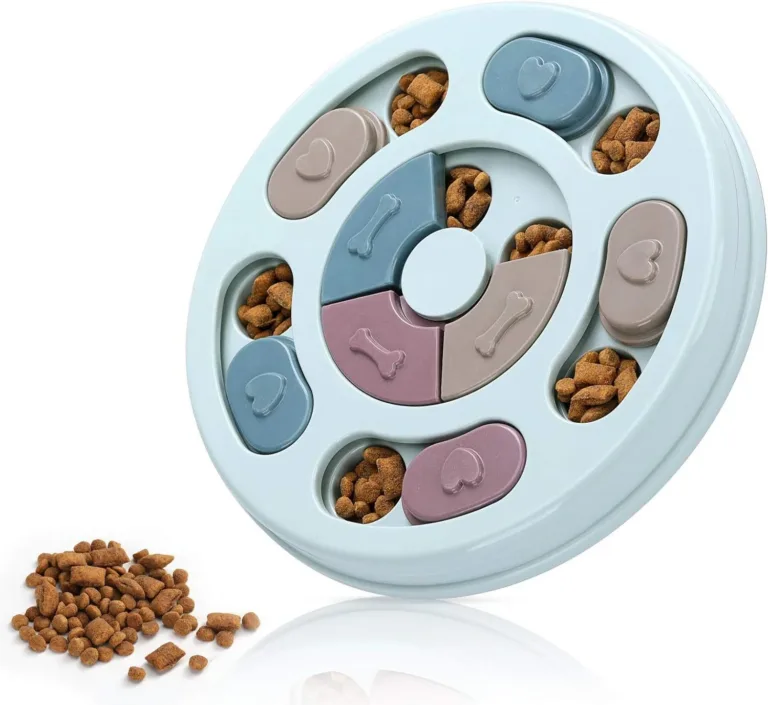
A dog that wolfs down its food in seconds is at risk of flatulence, vomiting and even gastric torsion. Learn how to get your dog to eat more slowly with these simple tips.
A dog that wolfs down its food in seconds is at risk of flatulence, vomiting and even gastric torsion. Learn how to get your dog to eat more slowly with these simple tips.
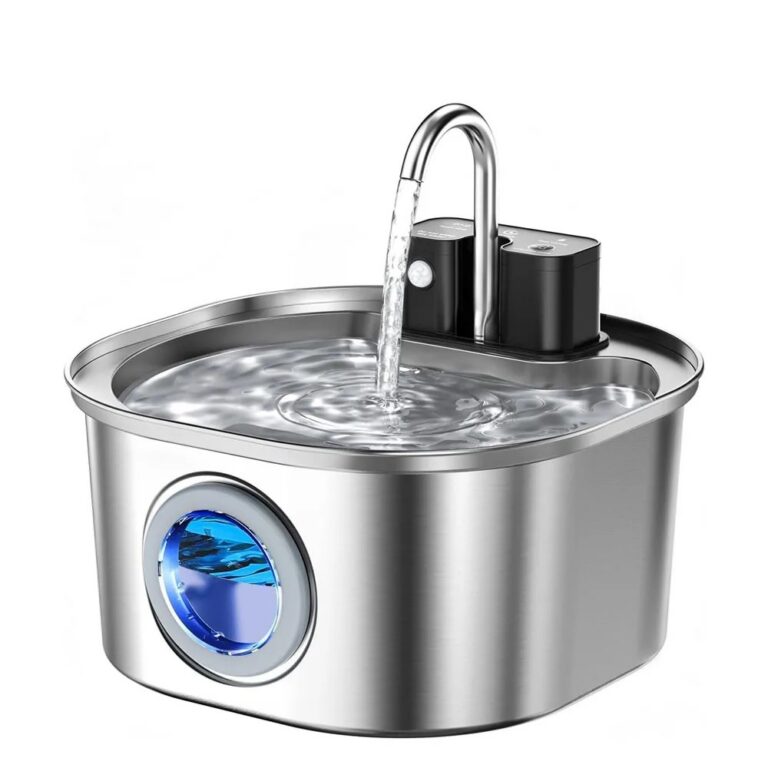
Cats don’t drink much, and the problem is exacerbated by dry food. A water bowl encourages your cat to drink more and helps prevent urinary problems.
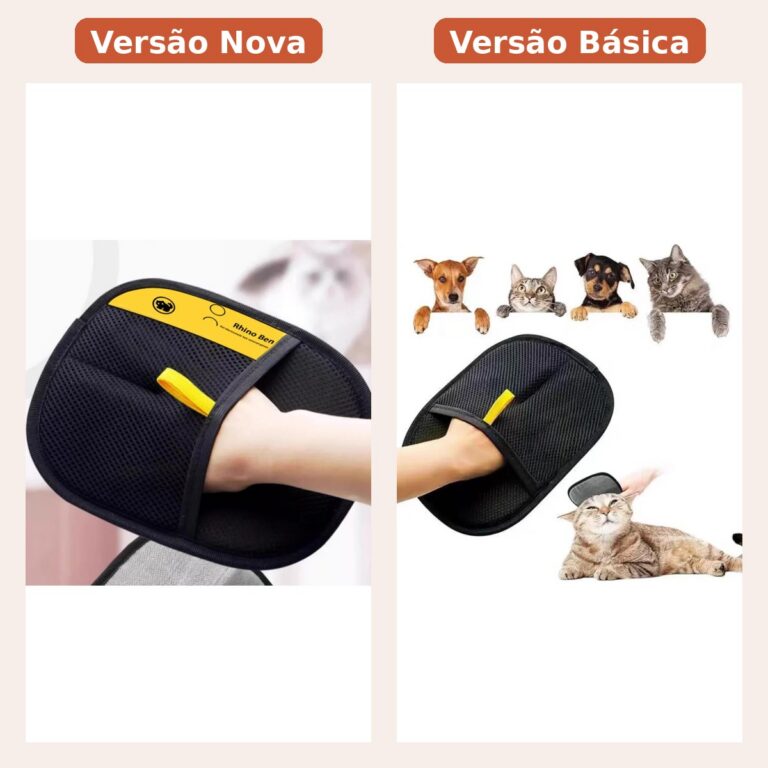
How can you remove dog and cat hair from your home without it becoming a daily chore? The short answer: a vacuum cleaner on its own isn’t enough, because the fine hair gets trapped in the fibres of the fabric…
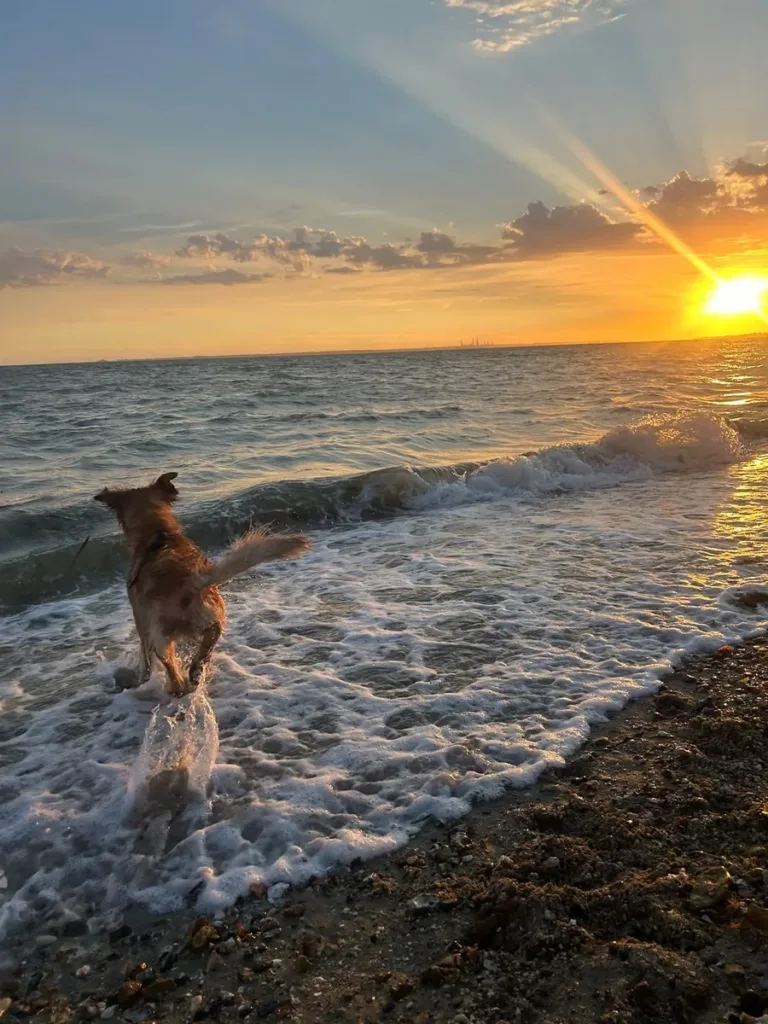
Urinary frequency varies with age, water intake, weather and health. Learn to distinguish between urinary frequency, increased urine output and signs of urinary obstruction.
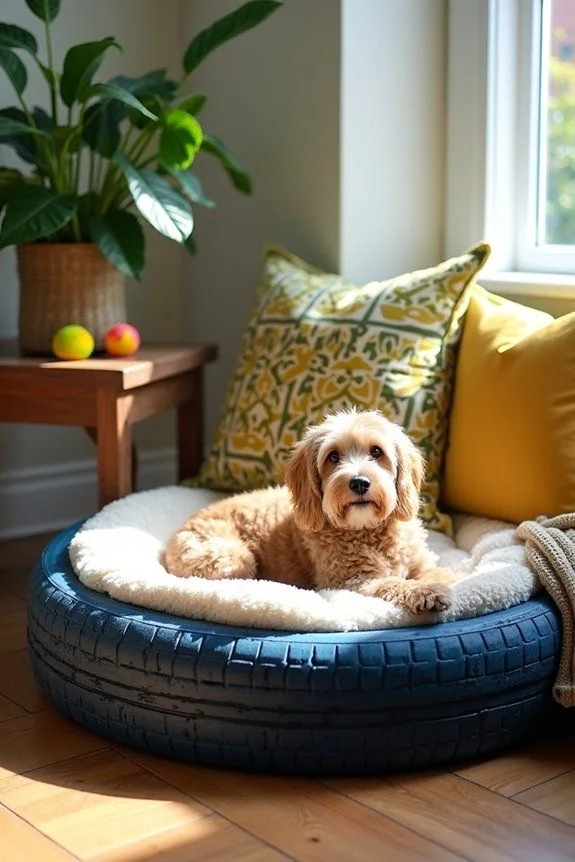
Eating can stimulate the urge to go to the toilet, but there isn’t a set time frame that applies to all dogs. Find out how to monitor their routine and watch out for warning signs.

Choosing a cat litter tray seems like the most trivial aspect of owning a cat — and it is, in practice, the decision that prevents the most common problem of all: the cat refusing to use it. In most cases…

Having pets does not mean that the whole family needs to take anti-parasitic medication. Find out how to reduce the risk of zoonotic diseases and when to seek medical advice.
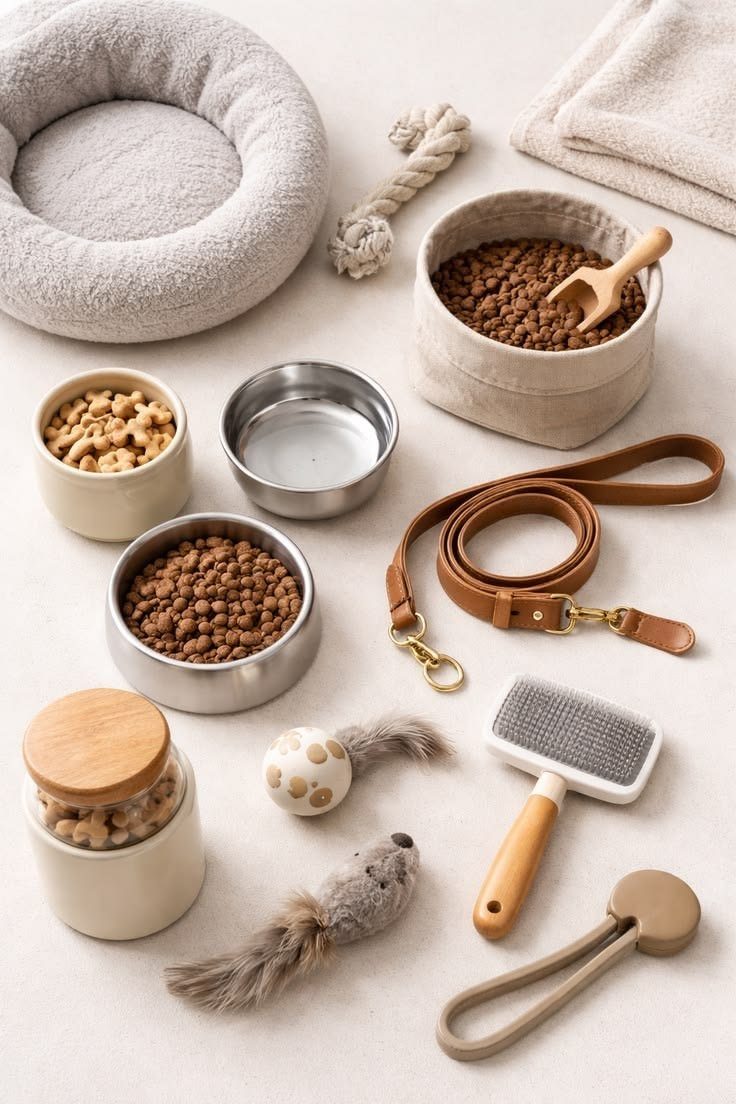
A bed, a food bowl, water, hygiene supplies and a toy: a list of what you need to have at home before your new dog or cat arrives.

A dog with too much energy will find ways to burn it off — though not always the ones you want. Simple ideas to tire him out, both physically and mentally.

Are you getting a kitten? Get your home ready, set up a safe space, prepare the litter tray and help your kitten settle in gently — the essentials for those first few days.